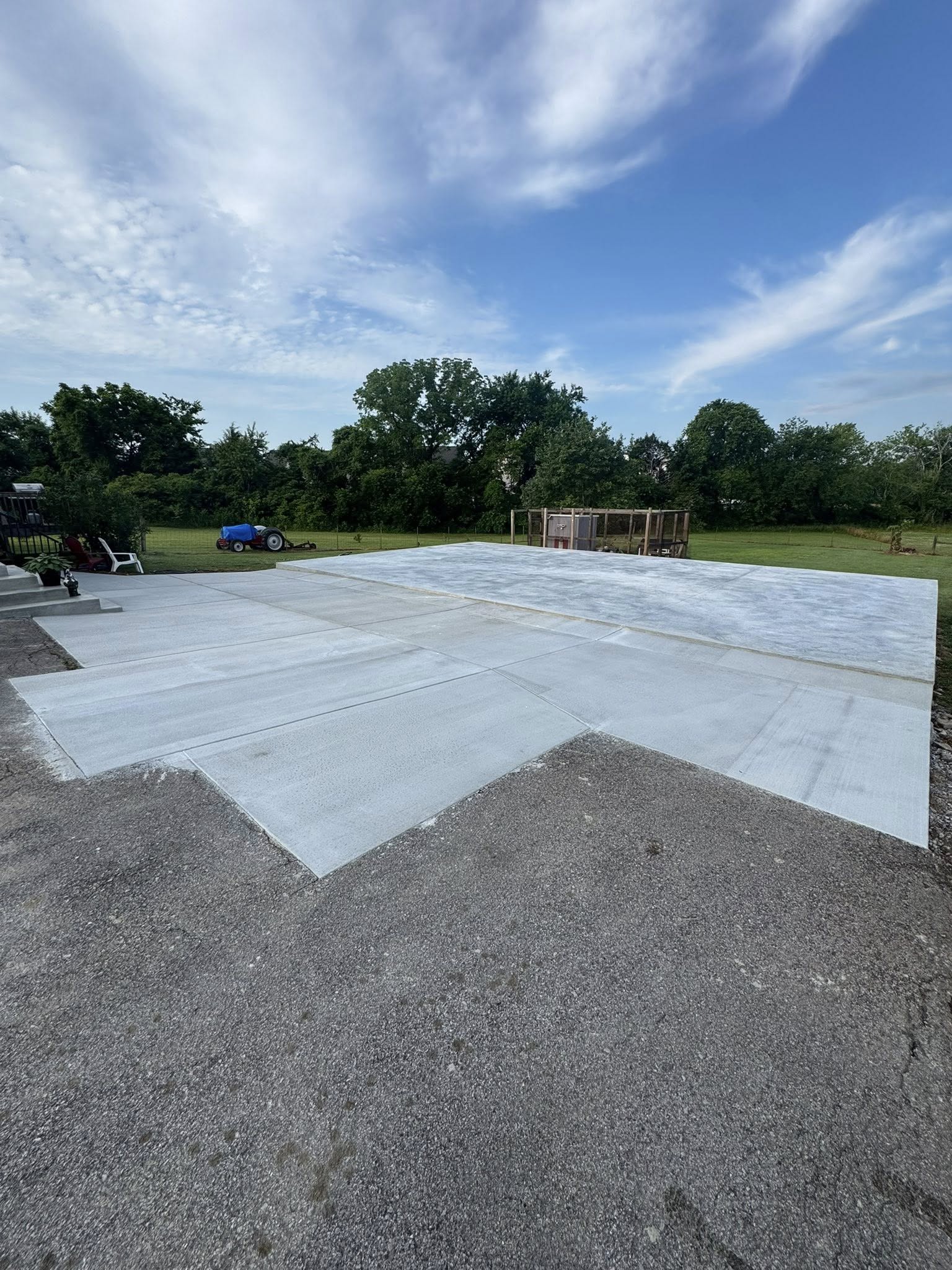
Mastering Concrete Craftsmanship: Tips for DIY Enthusiasts and Professionals Dec 22, 2025
Historically, concrete has served as the backbone of construction due to its versatility and enduring nature. Before starting any project, it’s crucial to understand the properties of your chosen material. Concrete's strength, flexibility, and the ability to mold into various shapes make it an ideal choice for a wide range of applications, from decorative home features to grand architectural structures.
One of the first considerations in your project should be the preparation phase. Proper preparation forms the cornerstone of successful concrete work. Start by planning your project meticulously, determining the required type of concrete mix for your specific task. For DIY enthusiasts, a basic concrete mix will often suffice for small scale projects like garden pathways or patios. However, larger, more complex tasks may require a specialized mix to achieve the desired strength and finish.
Quality materials make a significant difference in the final outcome. Opt for high-grade aggregate materials and ensure your cement is fresh. Storing concrete materials in a dry, secure environment is key to maintaining their integrity until use. Water is another critical component; using too much or too little can compromise the concrete’s structural integrity. Always aim for the correct water-to-cement ratio, as recommended by your concrete supplier, to ensure optimal workability and strength.
Mixing concrete is an art that requires precision. When mixing by hand or using a mixer, thoroughly blend all ingredients to avoid weak spots in the finished product. The batch process should result in a consistent, smooth blend that can easily fill molds or forms. For large projects, investing in a quality cement mixer can save time and improve efficiency.
Once your concrete is prepared, the pouring phase demands careful attention. Evenly distributing the concrete into molds or forms, and using tools such as a screed or a trowel, helps achieve a level and smooth surface. It's imperative to work quickly but accurately, as concrete begins to set shortly after mixing. Remember, concrete continues to cure over time gaining strength progressively.
Finishing is arguably the most rewarding phase. Depending on your project's needs, you may choose to stamp, stain, or polish the concrete for a decorative touch. Keep safety in mind, using protective gear to shield against concrete dust and other potential hazards.
Concluding your project involves proper curing, a process that helps prevent cracks and increases durability. Make sure the concrete remains moist for a few days after pouring by covering it with a wet cloth or using a curing spray. This step ensures that your concrete develops the required properties to withstand environmental stresses over time.
Mastering concrete craftsmanship is a journey of continuous learning and perfection. By incorporating these insights from Concrete By Bryce, you can enhance your construction skills, resulting in projects that stand the test of time. Whether you carry out a small DIY project or embark on a complex professional task, the right techniques make all the difference, ensuring safety, strength, and satisfaction with every pour.
/filters:no_upscale()/filters:format(webp)/media/c09a872a-46ae-4b13-9ebd-26752af3c9b2.jpeg)