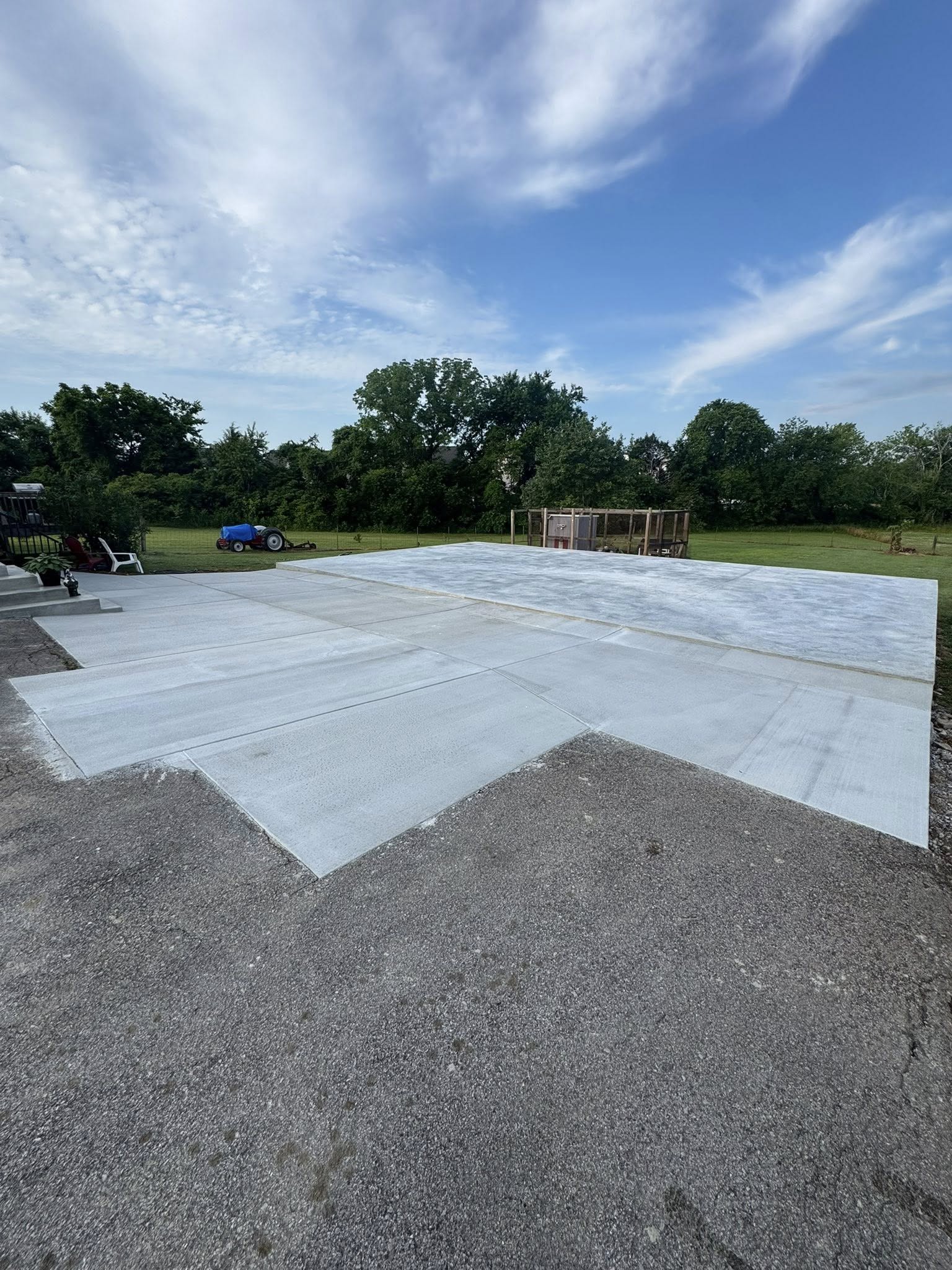
Sustainable Solutions: How Concrete is Shaping Eco-Conscious Construction Feb 25, 2026
Concrete has been a staple in the construction industry for decades, primarily due to its durability and versatility. However, its production has often been criticized for being environmentally taxing. Fortunately, innovations in production techniques and the introduction of new materials have significantly reduced concrete's environmental impact. Today, concrete manufacturers utilize recycled materials and industrial by-products such as fly ash and slag, reducing carbon emissions and energy consumption associated with traditional Portland cement production.
One of the most exciting advancements in sustainable concrete solutions is the development of high-performance concrete. This innovation not only increases the longevity and strength of concrete structures but also minimizes maintenance needs and resource consumption over time. High-performance concrete is designed to withstand harsh environmental conditions, meaning structures require fewer repairs and renovations, leading to a reduction in waste and a lower overall carbon footprint.
Another impactful advancement is the use of permeable concrete, also known as pervious concrete. This eco-friendly material addresses stormwater management issues, a growing concern for urban planners and environmentalists alike. Permeable concrete allows water to pass through the material and seep into the ground, reducing runoff and the risk of flooding. This solution not only supports water conservation efforts but also aids in groundwater replenishment, providing an essential benefit to both urban and rural ecosystems.
Furthermore, the incorporation of carbon capture technologies in concrete production has made strides toward carbon-neutral construction practices. By trapping carbon dioxide during the curing process, this technology not only benefits the environment but also enhances the durability and strength of the material. As these techniques become mainstream, the potential to decrease the construction industry's carbon emissions dramatically increases.
The aesthetic versatility of concrete is another compelling reason it remains a cornerstone of sustainable building practices. Concrete By Bryce, for instance, offers a range of finishes and designs that suit modern architectural styles while maintaining an eco-friendly approach. The adaptability of concrete allows for creativity without compromising environmental ethics, making it an attractive option for architects and builders committed to sustainable practices.
Moreover, concrete's thermal mass properties make it an excellent choice for energy-efficient buildings. Structures built with concrete naturally regulate temperatures, reducing the need for heating and cooling systems. This not only results in energy savings but also reduces the building's overall carbon emissions. By investing in concrete solutions, businesses, and homeowners can significantly impact their energy consumption and align their construction projects with sustainability goals.
In conclusion, concrete continues to evolve as a leader in eco-friendly construction solutions, affirming its importance in the global shift towards sustainability. With its ability to integrate recycled materials, reduce carbon emissions, and offer practical advantages like water management and energy efficiency, concrete remains an indispensable material for future-proof construction.
Concrete By Bryce is committed to providing customers with sustainable, high-quality concrete solutions that meet modern environmental standards. By choosing concrete, stakeholders in the construction industry can ensure they are building a greener, more sustainable future while enjoying the reliability that only concrete can offer.
/filters:no_upscale()/filters:format(webp)/media/c09a872a-46ae-4b13-9ebd-26752af3c9b2.jpeg)